
Iowa City Previous Resident Sources
Previous residents of an Iowa City address appear in a chain of snapshots, not one complete list. A deed names owners, a directory may name a listed householder, a census records a household at one point in time, and a map shows the building rather than its occupants. Start with the source closest to the target year, then use the same address or legal description in a second source.
| Source | Years It Covers | Where Held | What It Shows |
|---|---|---|---|
| Recorder deed images | January 1840 to present | Johnson County Recorder | Transfers, liens, plats, legal descriptions |
| Local deed name index | November 1983 to present | Cott eSearch | Searchable parties and documents |
| City directories | 1857 earliest located; major local run 1904–1960 | ICPL and several archives | Listed householders, occupations, and addresses |
| Census | 1844 local; federal through 1950 public | SHSI, ICPL, federal platforms | Household snapshots and enumeration geography |
| Sanborn maps | 1883–1946 selected years | ICPL, Library of Congress | Building footprint, use, and materials |
| News and obituaries | 1840–1929 scans; later runs and indexes | ICPL resources | Moves, deaths, kin, sales, fires, and firms |
For a recent transfer, start with the assessor and deed. For an early twentieth-century household, pair a street directory with a census or newspaper. A Sanborn map is best when the question concerns the structure rather than a person. This previous residents workflow preserves the difference between people and property.
Trace Johnson County Past Owners
The current parcel supplies the anchor for a backward deed chain. Search the Iowa City Assessor by physical address, then save the owner or deed holder, parcel number, mailing address, legal description, subdivision or lot, and assessment year. Confirm the parcel outline in PIV before moving into party-name records. A chain of title is the linked sequence of recorded transfers for the same land.
- Pull the current owner, PIN, and legal description from the assessor and PIV.
- Search that owner as grantee in the Recorder index, narrowing by deed type and recording date.
- Read the instrument image. Confirm the seller, buyer, dates, legal description, and book, page, or file number.
- Search the seller as an earlier grantee. Repeat only when the same legal description connects the transfer.
- For the pre-1983 name-index gap, ask for deed books, microfilm, or office help. Images may still reach 1840.
- Grantor / grantee
- The grantor gives or sells an interest; the grantee receives it.
- Chain of title
- The linked sequence of transfers for the same parcel.
- Legal description
- The lot, block, section, or surveyed wording that identifies land even when its street address changes.
Iowa City Deed Index Gap
Johnson County’s online land images reach January 1840, yet its local searchable name index begins in November 1983. That is an important local quirk. A failed name search before the cutoff does not mean the deed is gone. Search Iowa Land Records Search 2.0, then bring the legal description, subdivision, and likely party names to the Recorder.
The Johnson County Recorder office is the local custodian shown in this source capture.
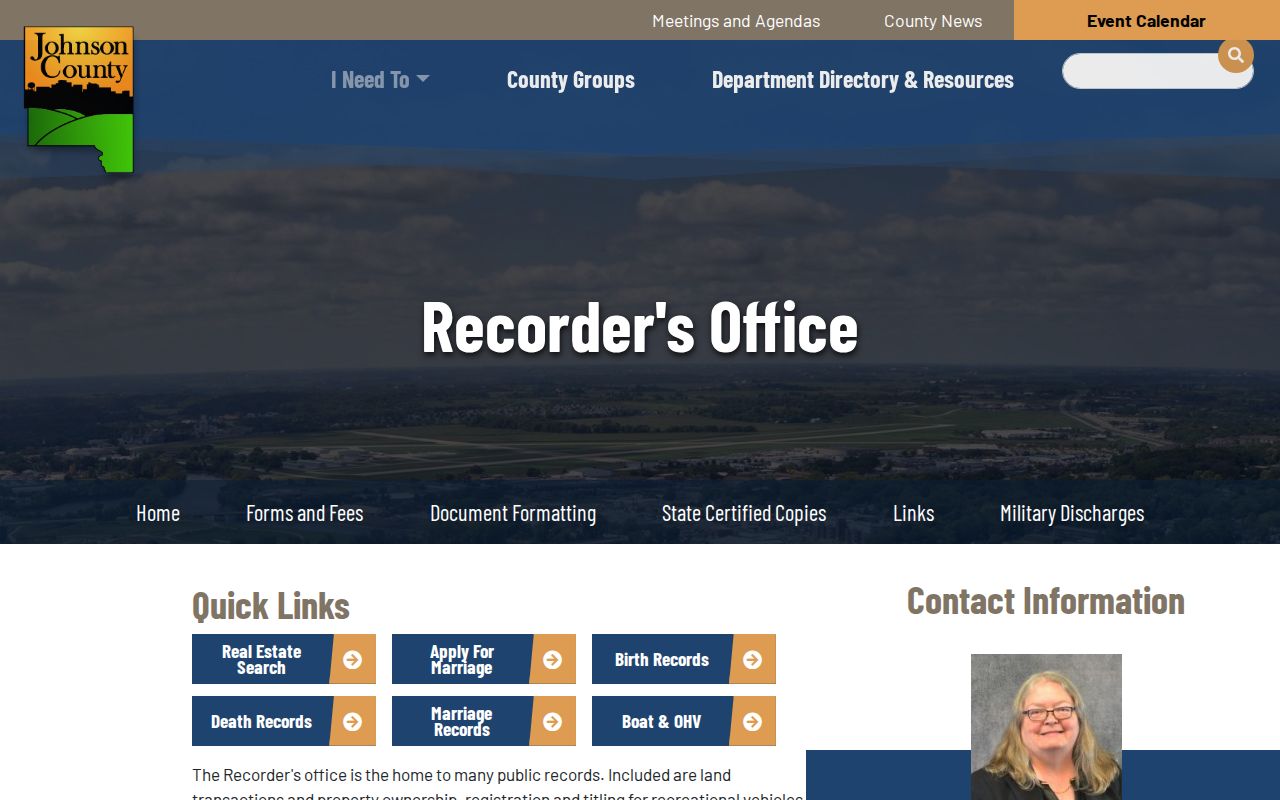
For section-township-range searches, use zero placeholders such as 01-77-06. Subdivision searches should omit words such as “subdivision” and “addition,” and spelling or phase-number variants may need separate searches.
Iowa City Prior Deed Parties
Iowa Land Records provides a second route to recorded documents across all Iowa counties. Use Johnson County, party name, date, and document type to narrow the result. An index row is only a pointer. Open its details or image and compare the legal description before adding a name to the Iowa City address timeline.
The Iowa Land Records search appears in this captured view.
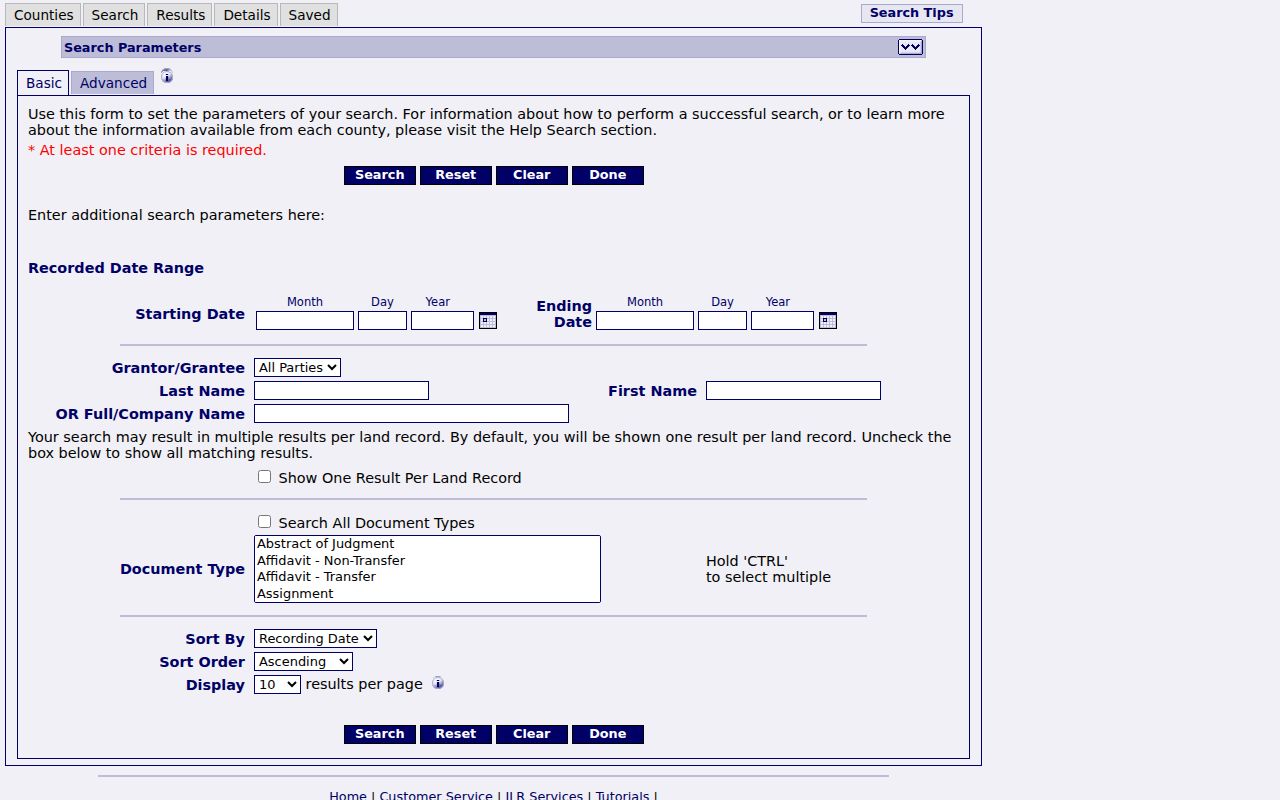
Releases and assignments recorded before May 5, 2003 may not link to the earlier document. Inspect marginal notes on the image or search each person’s name when the chain seems to stop.
Map Iowa City House Changes
Sanborn fire-insurance maps cover selected Iowa City years from 1883 through 1946. They can show a building footprint, construction material, use, additions, and nearby structures. They do not name residents. Compare the map date with a directory year, deed date, permit, assessment card, or newspaper item to learn what changed and when.
A vanished number may result from a changed street direction, subdivision, annexation, or postal label. Iowa Avenue serves as the general north-south numbering division and Capitol Street as the east-west division. No official citywide renumbering year was located, so bridge suspected changes with plats, old street guides, cross streets, and legal descriptions rather than guessing.
Iowa City House History Sources
The Iowa City Public Library local-history collection brings together directories, plat books, Sanborn maps, aerials, newspapers, cemetery material, and local indexes.
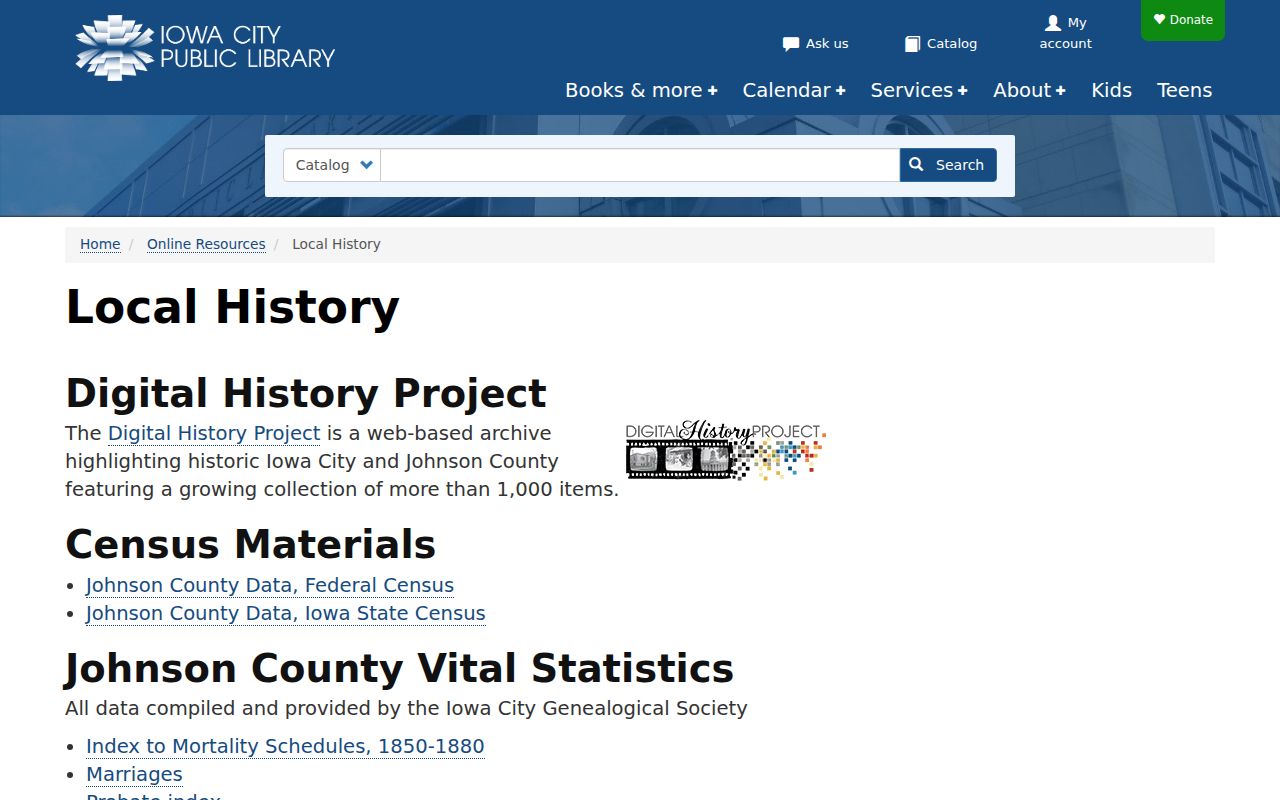
The screenshot shows the library’s route into these address-history sources. The library does not publish one complete house-history list, so choose items by date and question. Johnson County Historical Society adds deed books from 1840, atlases, neighborhood maps, aerials, family papers, and oral histories. Contact JCHS in advance. Its staff offers a free database check, focused research up to 15 minutes, and billed copies or reproductions.
Iowa City Records Before 1856
The first Iowa City courthouse burned to the ground in 1856. A replacement rose in 1857, and the present courthouse was dedicated in 1901. The fire is a reason to verify the custodian and survival of an early series, not to assume all county records vanished. Recorder images and JCHS deed books begin in 1840, while other state historical series have their own starts.
For a missing early name or address, record the last source and year checked. Then try a deed book, plat, 1844 local census, church or cemetery record, newspaper, or probate file. Absence from one index is not proof that a person or building did not exist.
Iowa City Address Change Markers
Building permits, assessment cards, maps, and newspaper notices answer different parts of a house-history question. A permit can date an alteration or inspection. An assessment card may give building facts and valuation for its assessment year. A newspaper can explain a sale, fire, move, new firm, or family event. The current EnerGov portal is available online, but its exact public historical start and full field set were not confirmed.
If the portal does not return the expected Iowa City address, ask Neighborhood and Development Services or the City Clerk for a specific permit record under Iowa Code chapter 22. Give the current address, parcel number, legal description, approximate date, and record type. A focused request is more workable than asking for every previous resident. Keep the applicant, property owner, contractor, and occupant in separate timeline columns because one person may fill only one of those roles.
Iowa City Past Household Trail
Owners are only part of the answer. Directories may list a householder at a street number, and census schedules supply a household snapshot. Start with a directory nearest a public census year. Copy the address exactly, including direction. Locate the same block or household in the census, then return to the next directory year to test a move. The collections and abbreviations are detailed on the Iowa City city directories page.
Obituaries, probate files, and cemetery records can close a past resident’s trail. An obituary may name relatives, a former address, occupation, or move. Probate can connect a parcel to heirs without proving where each heir lived. Oakland Cemetery’s map and database can connect a person to a burial lot, while its deed record concerns the lot rather than a home address.
Lawful use. Research Iowa City previous residents for house history, genealogy, or personal curiosity, never to harass, threaten, stalk, or track a living person.